
Veterinary Industry Summary: October 26-November 1, 2025

Stats from the Veterinary Industry Tracker powered by Vetsource and AVMA
October 26-November 1, 2025
A new article published in the Journal of the American Veterinary Medical Association (JAVMA) argues that improving affordability and access to veterinary care will require a shift from a provider-centered model to a pet family-centered model of care.
According to authors Emily Tincher, DVM, and Jules Benson, BVSc, a pet family-centered model of care should deliberately integrate each household’s goals, values, and constraints into medical decision-making. Nonjudgmental communication and an explicit understanding of client needs must sit alongside clinical priorities if practices want to remain relevant and sustainable in a changing market.
The authors outline three pillars for the future of veterinary care:
- Evidence-based medicine and outcomes measurement. Rigorous use of evidence and the routine capture of patient- and client-centered outcomes allow teams to benchmark what works, refine protocols, and demonstrate value, which is especially important when clients face financial constraints.
- Relationship-centered communication grounded in clinical empathy. Rather than leading with an idealized “gold standard,” teams should elicit preferences, constraints, and goals, and then co-create plans that fit the pet family. Training CSRs, technicians, and doctors in empathy and shared decision-making can reduce conflict, improve compliance, and strengthen lifetime client value.
- Stratified service delivery (a spectrum of care). Practices should design tiered care pathways — medically appropriate options at different price and complexity levels — so more pets receive timely care. Clear, nonjudgmental explanations of tradeoffs help clients choose an option they can follow through on, rather than deferring or declining care entirely.
Drs. Tincher and Benson frame pet family-centered care not as “doing less,” but as aligning medicine with real-world client capacity to expand access, improve outcomes, and stabilize demand.
Check out the Veterinary Industry Tracker for daily stats.
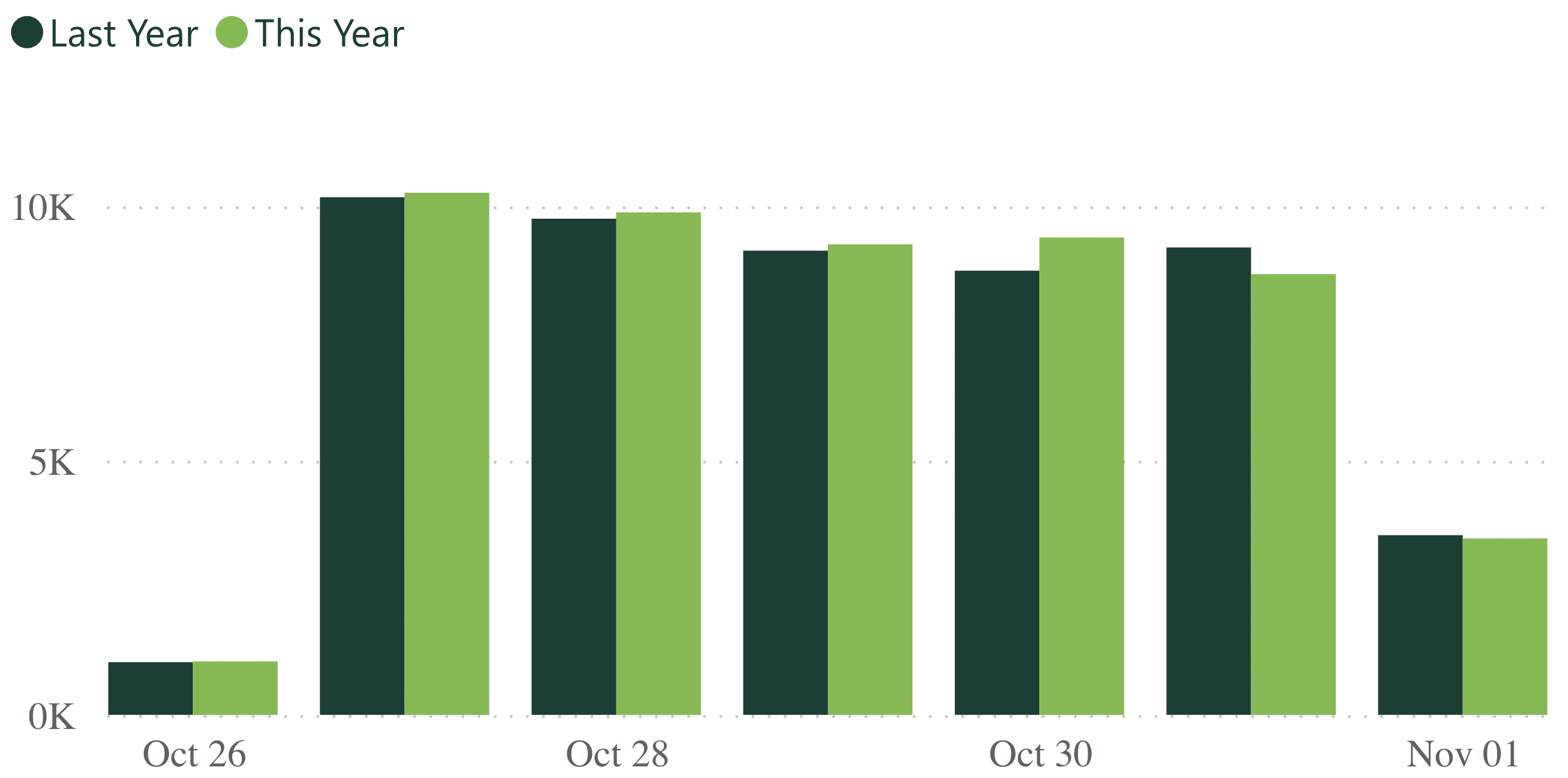
| +0.8% Revenue YoY (Last Week) |
-4.1% Visits YoY (Last Week) |
Veterinary industry revenue remained flat last week at 0.8% year over year — the same as the week prior. Year-over-year visits fell from -3.4% to -4.1%.
 -11.7% -11.7%Heartworm YoY |
-9.8% Flea/Tick YoY |
 +2.1% +2.1%Services YoY |
-3.9% Products YoY |
Purchases of parasiticides dropped again last week. Year-over-year heartworm was -11.7%, and flea/tick was -9.8%, declines from the previous week’s respective -8.6% and -5.4%. Service revenue last week was 2.1%, and product revenue was -3.9% year over year, changes from 2.2% and -2.7% respectively the week prior.
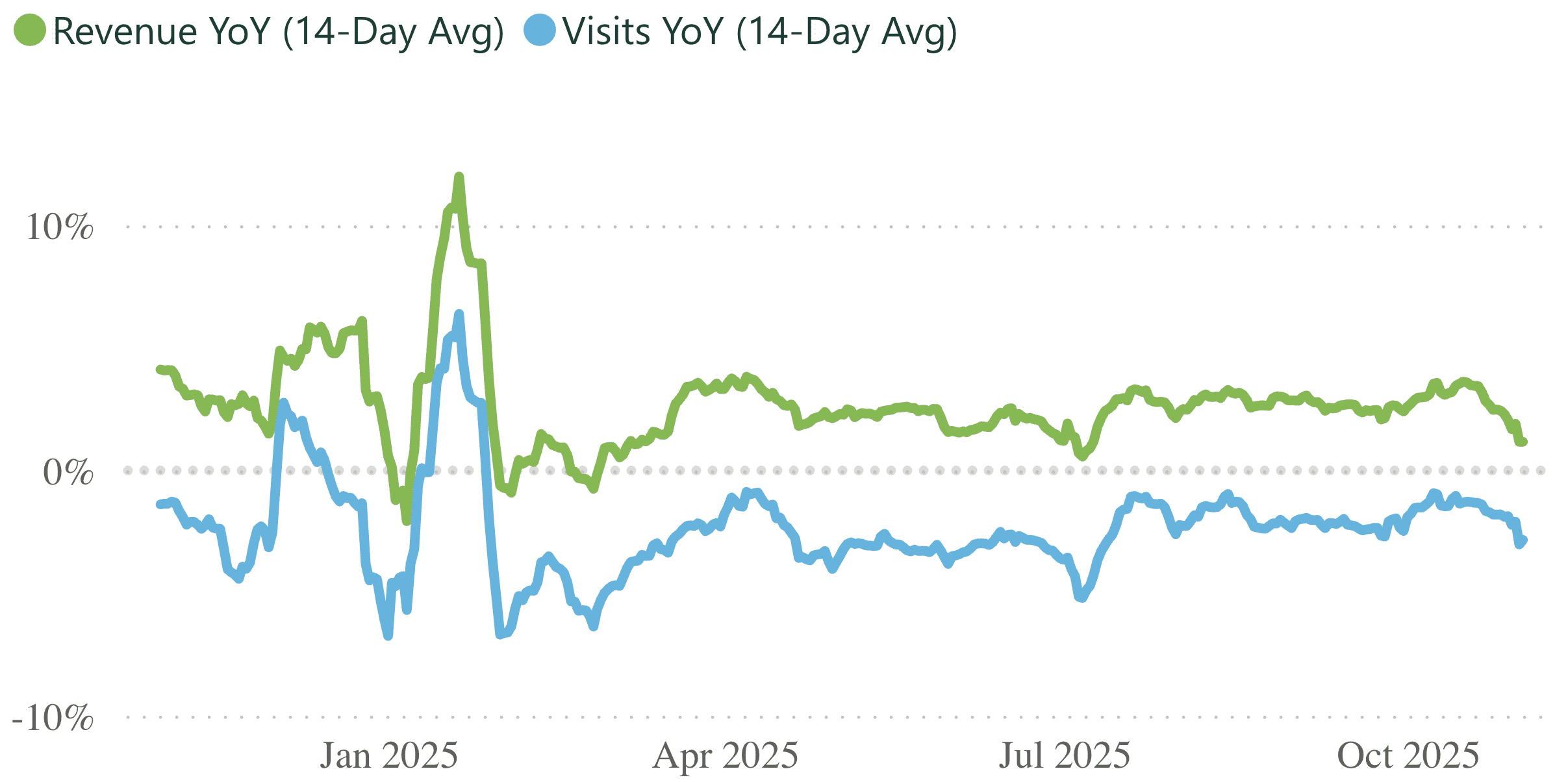
| +2.3% Revenue YoY (Last 12 Months) |
-2.8% Visits YoY (Last 12 Months) |
The rolling 14-day trendline showed revenue and visits declining since mid-October.
| 6,433 Practices |
2.2M Revenue per Practice (Last 12 Months) |
10.0K Visits per Practice (Last 12 Months) |
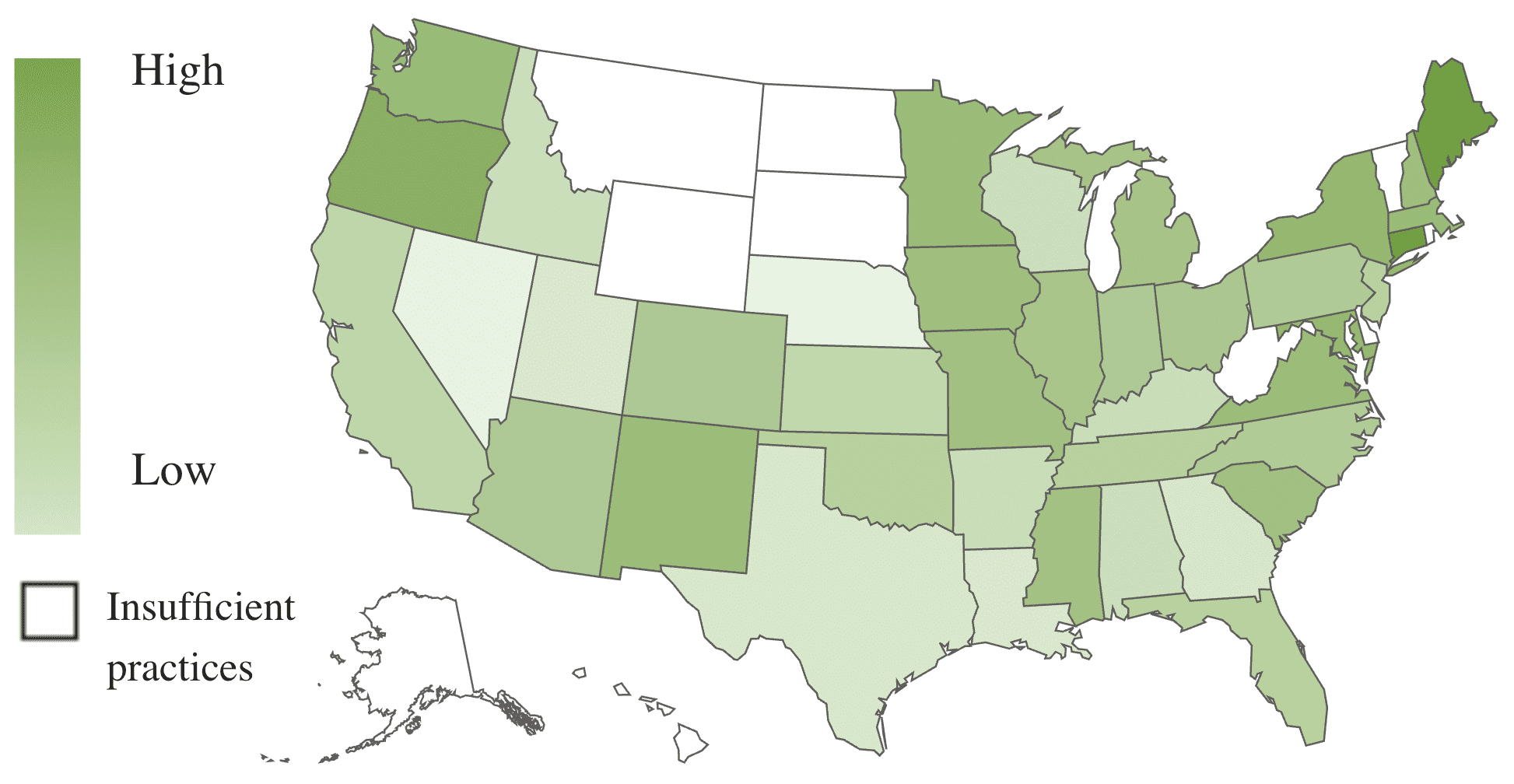
Maine and Connecticut saw the most year-over-year revenue growth again last week, coming in at 6.5% and 6.3% respectively. Maine was also in the top two for year-over-year visits at -1.0%, beat only by Oregon at 0.0%.
*Numbers are subject to change based on data availability and PIMS adjustments.

Need additional stats? You got it.
The Premium Veterinary Industry Tracker lets you drill into revenue categories, visit types, date ranges, states, and more.
| LEARN MORE » |