
Veterinary Industry Summary: November 2-8, 2025


Stats from the Veterinary Industry Tracker powered by Vetsource and AVMA
November 2-8, 2025
As the U.S. pet-ownership landscape evolves, veterinary industry leaders and practice owners should take note of several key trends highlighted in a new analysis from the International Boarding and Pet Services Association. These trends signal challenges and opportunities as we head into 2026.
A younger population of pet owners
According to the American Pet Products Association, an estimated 94 million U.S. households owned pets in 2025 — that’s up from 82 million in 2023 — with millennials and Gen Z driving much of the growth.
These younger owners often treat their pets as family members and expect digital-first experiences, including mobile bookings, app-based communication, loyalty plans, and strong values-based branding. Veterinary practices that adopt client-centric digital tools and tailor membership-style services may gain a competitive advantage.
More cats and non-traditional pets
While most pet-owning households own dogs, there’s a growing demand for care of cats and non-traditional companion animals, including birds, reptiles, and small mammals. Practices that broaden their species expertise via staff training, facility modifications, or partnerships could capture new segments of the pet market.
Pets need overall wellness, too
Pet owners are increasingly investing in holistic health, enrichment, and experience-driven services, like spa-style grooming, anxiety-management protocols, and senior-pet mobility support. For veterinary practices, this means shaping service tiers, value-add packages, and clear communication of differentiated care.
Technology is necessary
Today’s pet owners expect practices to deliver real-time information and convenience through online bookings and payment options, photo updates, and the ability to communicate via text message or app.
Costs are increasing
Rising operational costs and cost-sensitive consumers underscore the need to balance value and pricing. Adoption of practice management software, tiered pricing models, bundled services, and strong messaging around quality may improve efficiency and client loyalty.
To position their practices for growth in 2026, practice leaders should meet the expectations of a younger, digitally savvy pet-owner base, as well as expand species breadth and service offerings.
Check out the Veterinary Industry Tracker for daily stats.
| +1.8% Revenue YoY (Last Week) |
-2.8% Visits YoY (Last Week) |
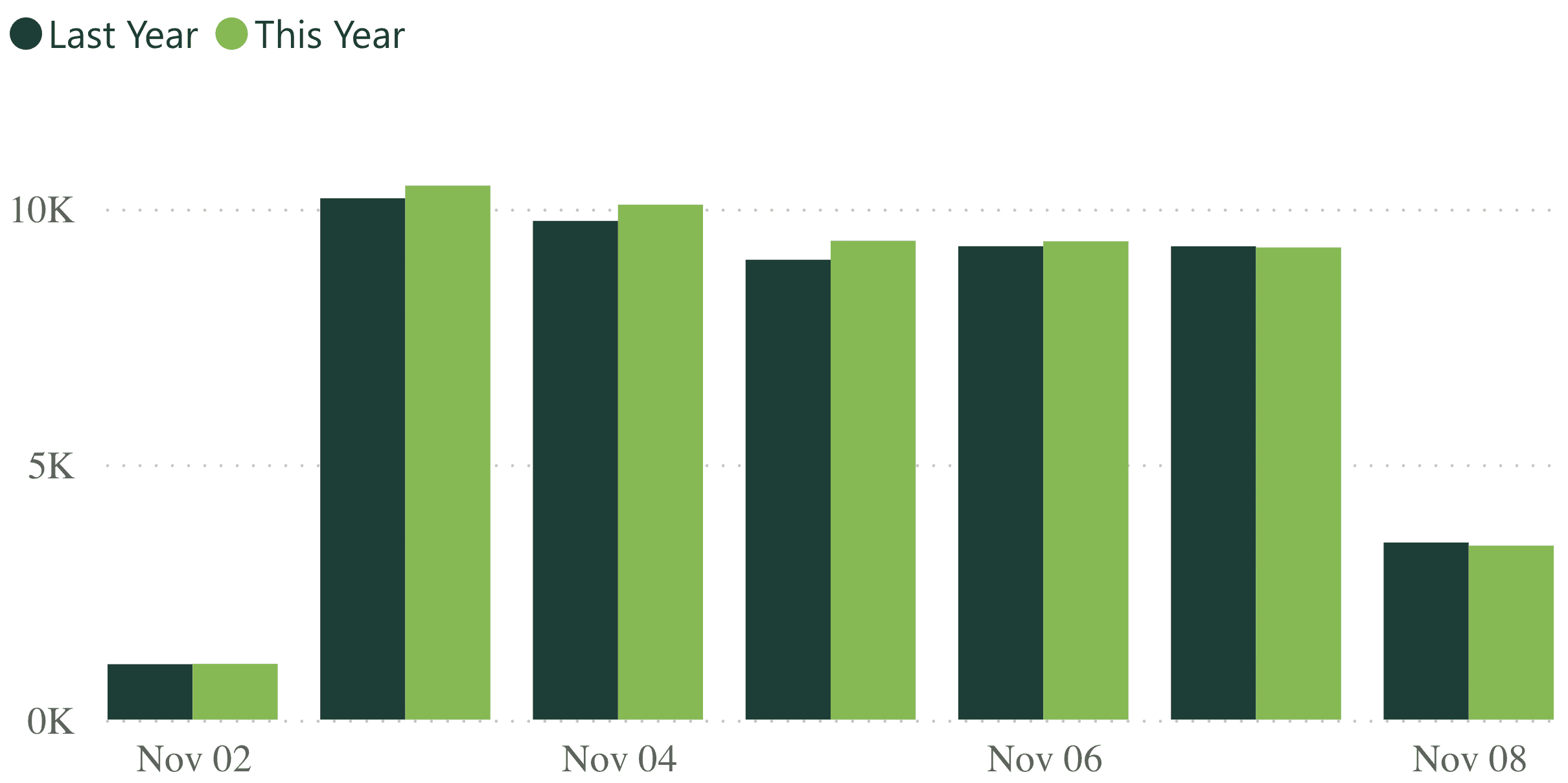
Veterinary industry revenue enjoyed a bump last week, improving from 0.8% to 1.8% year over year. Visits were -2.8%, an improvement over the previous week’s -4.1%.
 -7.3% -7.3%Heartworm YoY |
-5.1% Flea/Tick YoY |
 +3.0% +3.0%Services YoY |
-2.2% Products YoY |
While still in negative territory, parasiticide purchases improved last week. Year-over-year heartworm was -7.3%, and flea/tick was -5.1%, changes from -11.7% and -9.8% respectively the week prior. Service revenue climbed from 2.1% to 3.0% year over year, and product revenue changed from -3.9% to -2.2%.
| +2.3% Revenue YoY (Last 12 Months) |
-2.8% Visits YoY (Last 12 Months) |
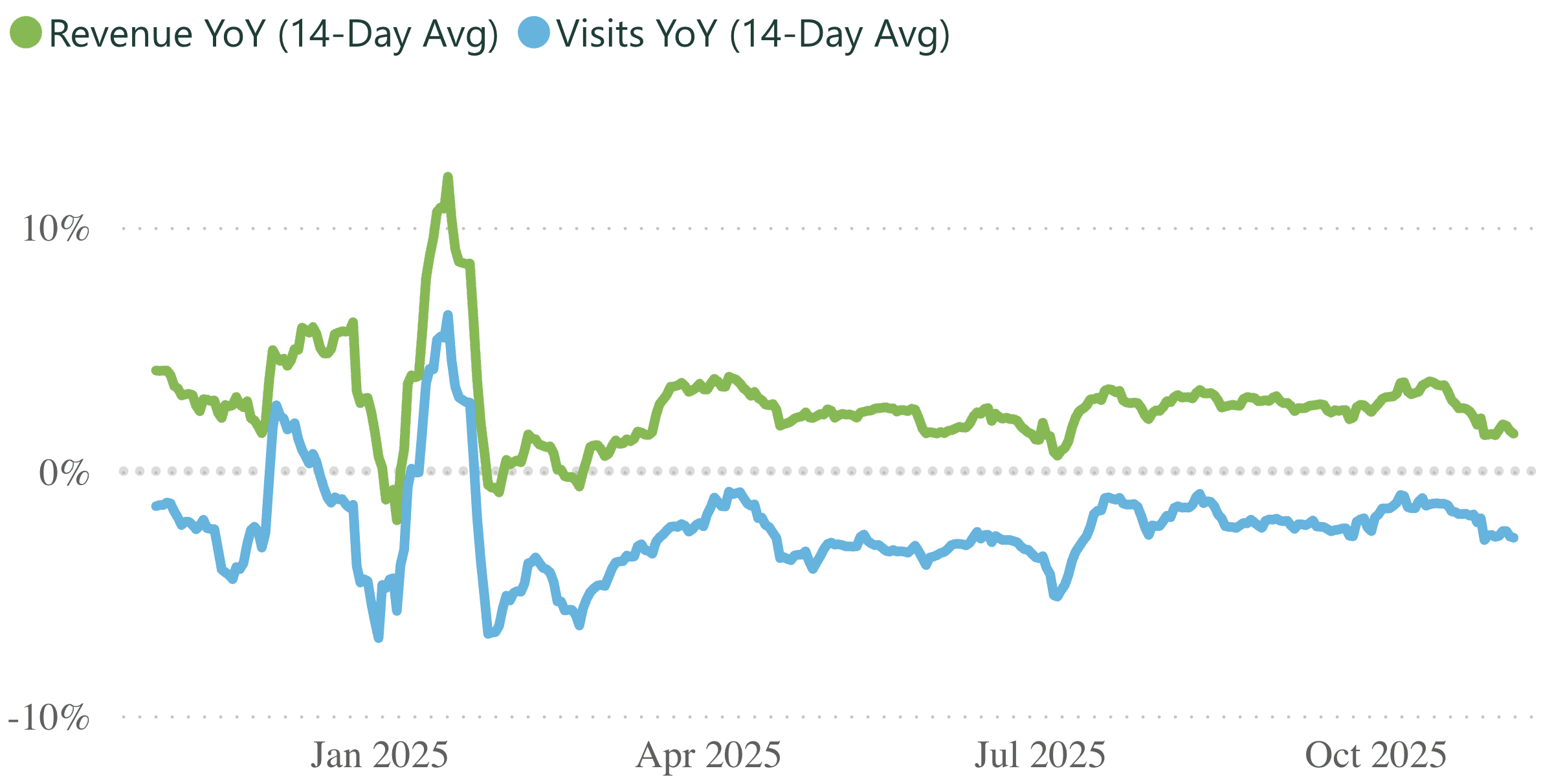
The rolling 14-day trendline showed revenue and visits falling slightly over the past month.
| 6,439 Practices |
2.2M Revenue per Practice (Last 12 Months) |
10.0K Visits per Practice (Last 12 Months) |
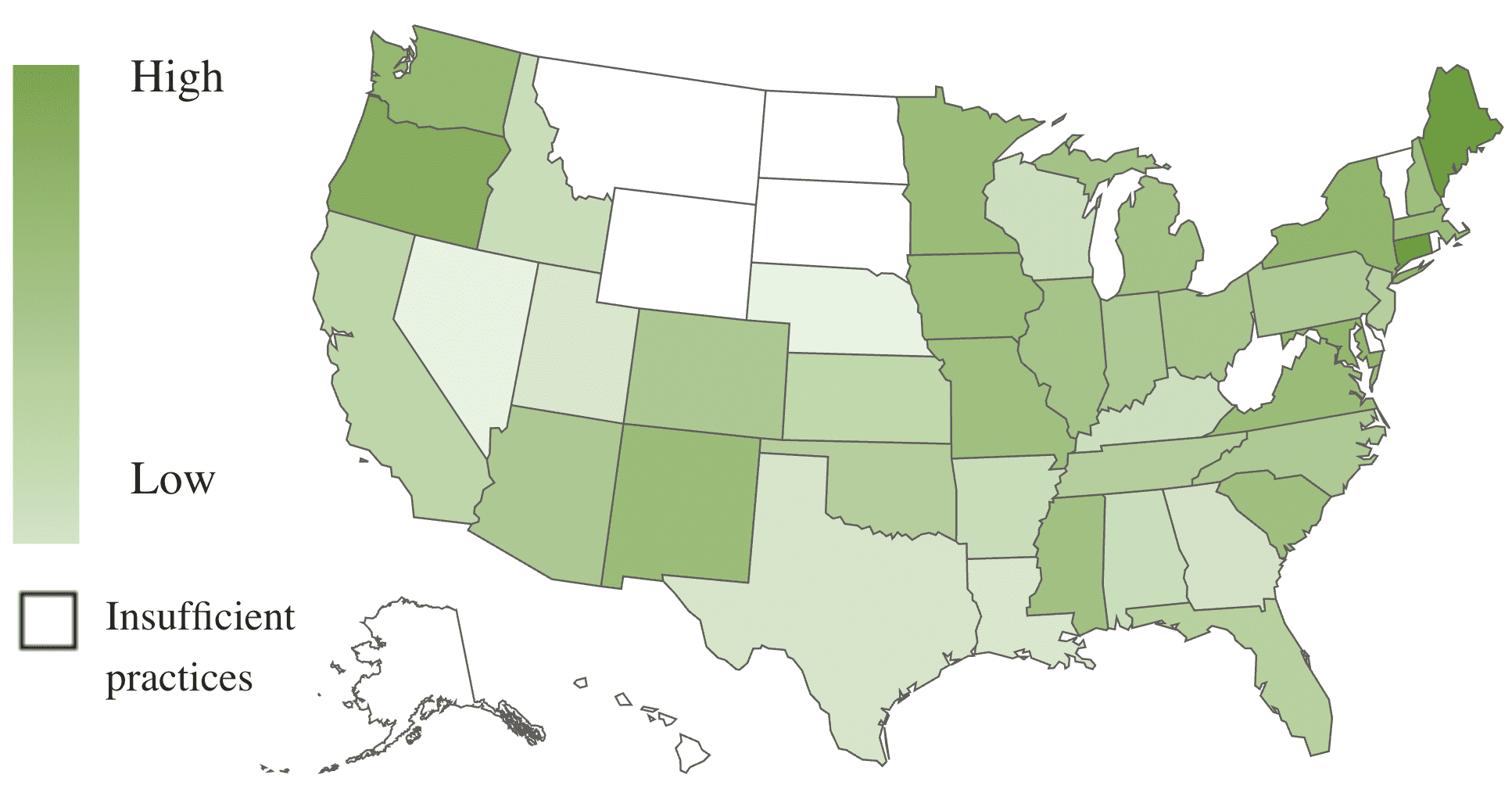
At 6.4%, Maine experienced the most year-over-year revenue growth last week, while Connecticut trailed closely behind at 6.3%. Oregon was again the only state to see positive growth in year-over-year visits at 0.1%, with Maine and Minnesota tying for second place at -1.1% each.
*Numbers are subject to change based on data availability and PIMS adjustments.

Need additional stats? You got it.
The Premium Veterinary Industry Tracker lets you drill into revenue categories, visit types, date ranges, states, and more.
| LEARN MORE » |